
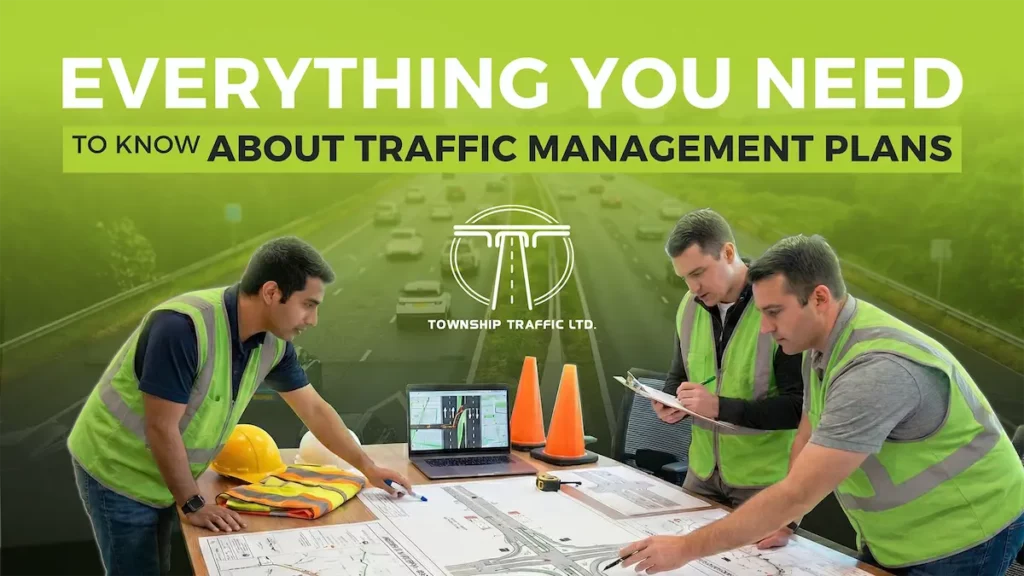
Why is a Traffic Management Plan (TMP) essential for any roadwork or roadside project? Whether you’re dealing with road construction, utility repairs, special events, or emergency maintenance, managing the flow of vehicles and pedestrians safely is critical. A TMP does exactly that. It’s not just a required document—it’s a detailed safety strategy that outlines how drivers, cyclists, workers, and pedestrians will move around or through a work zone without confusion or risk.
In British Columbia and across Canada, an approved TMP is mandatory before any work begins near public roads. These plans help prevent accidents, reduce traffic congestion, protect workers, and ensure the public can move safely through affected areas. They also improve on-site communication so every crew member understands the layout, responsibilities, and safety procedures.
This article breaks down the essentials of Traffic Management Plans, helping you understand why they’re so important and how they contribute to safer, more efficient work zones.
What Is a Traffic Management Plan?
A Traffic Management Plan (TMP) is a comprehensive guide that outlines how traffic will safely move around a work zone. It includes site layouts, safety procedures, hazard controls, equipment placement, and communication methods to ensure smooth and secure traffic flow.
A well-designed TMP helps you plan for critical details such as:
- How vehicles, pedestrians, and cyclists will move through or around the work area
- What traffic control devices—signs, cones, barriers, and flaggers—are needed
- What risks or hazards exist, and how will they be controlled
- How emergency vehicles will access the site if needed
- How workers can operate safely within the designated zone
Think of a TMP as the safety playbook for your project. Without a clear plan in place, the chances of confusion, delays, and preventable accidents increase significantly.
Why Traffic Management Plans Are So Important
1. Ensuring Public Safety
The primary goal of a TMP is to protect everyone on the road—drivers, pedestrians, cyclists, and the workers themselves. Roadside worksites are unpredictable, and improper setup can cause accidents within seconds. A TMP minimizes that risk by providing a well-designed layout and flow.
2. Reducing Traffic Congestion
Construction or maintenance zones can’t avoid creating some level of disruption. However, a well-planned TMP helps reduce bottlenecks, unexpected lane closures, and sudden stops, making commutes less stressful for the public.
3. Meeting Legal and Regulatory Requirements
In BC and other provinces, traffic control must follow local regulations, such as:
- WorkSafeBC requirements
- Ministry of Transportation and Infrastructure standards
- Municipal guidelines and permitting processes
Failing to follow regulations can lead to shutdowns, fines, and liability issues.
4. Protecting Workers
Construction teams face constant dangers from passing vehicles. A TMP ensures proper buffer zones, safe flagger positioning, and protective barriers to keep workers safe throughout the project.
Key Components of an Effective Traffic Management Plan
A strong TMP is thorough, practical, and clearly communicated. Here’s what it typically includes:
1. Site Assessment
Before anything is planned, professionals assess:
- Road type (highway, residential street, industrial area)
- Speed limits
- Traffic volume
- Visibility and lighting conditions
- Weather considerations
- Pedestrian access
- Nearby businesses, schools, or emergency routes
This information shapes every further decision.
2. Traffic Control Layout
This includes the placement of:
- Cones
- Barriers
- Advanced warning signs
- Lane closure signs
- Tapers and buffers
- Arrow boards
- Flagger positions
A high-quality TMP also includes detailed diagrams showing equipment placement from start to finish.
3. Flagger Requirements
Flaggers play a crucial role in maintaining safety and communication. The TMP outlines:
- Number of flaggers required
- Their exact positions
- Communication methods
- Shift rotations
- Emergency protocols
Highly trained flaggers can prevent accidents and ensure smooth traffic movement.
4. Equipment and Materials
The plan lists all traffic control equipment needed, ensuring teams arrive prepared. This includes signage, reflective materials, barriers, radios, personal protective equipment (PPE), and more.
5. Work Staging and Timing
Timing can be just as important as layout. TMPs detail:
- Work hours
- Expected peak traffic times
- Night work considerations
- Rush hour restrictions
Planning work during off-peak times minimizes disruption.
6. Communication Plans
Keeping the public informed prevents confusion and frustration. Communication strategies may involve:
- Public notices
- Social media updates
- Emails to nearby businesses
- Electronic message boards
Clear communication builds trust within the community.
7. Emergency Response Plan
Accidents, sudden weather changes, and equipment failures happen. A TMP outlines:
- Emergency detour routes
- Who to contact
- Evacuation paths
- Rapid shutdown procedures
This ensures the crew and public remain safe, no matter the situation.
Who Creates Traffic Management Plans?
Traffic Management Plans should always be prepared by qualified and certified traffic control professionals. These experts understand local regulations, worksite safety, and proper design principles.
In BC, companies like Township Traffic Limited specialize in creating fully compliant TMPs and providing the trained personnel needed to execute them. Working with professionals ensures that your project is safe, efficient, and meets all legal standards.
When Do You Need a Traffic Management Plan?
TMPs are required for a variety of situations, including:
- Road construction and paving projects
- Utility installations and maintenance
- Municipal infrastructure upgrades
- Emergency repair works
- Tree trimming near roadways
- Film production requiring traffic interruption
- Special events affecting normal traffic flow
If your project impacts public roads or sidewalks in any way, a TMP is likely necessary.
Benefits of a Well-Designed TMP
A comprehensive TMP delivers a number of benefits:
Improved Safety
Prevents collisions and protects both the public and workers.
Better Traffic Flow
Reduces delays and maintains predictable movement.
Project Efficiency
When everyone knows their role and the setups are consistent, work progresses more smoothly.
Public Confidence
Transparent planning reduces frustration and shows a commitment to safety.
Liability Protection
Following regulations reduces the risk of fines or legal action.
Final Thoughts
A Traffic Management Plan is more than just a safety requirement—it’s a key part of keeping workers, drivers, and pedestrians protected during any roadwork or construction project. A clear and well-prepared TMP helps prevent accidents, reduces traffic delays, and ensures your project follows local regulations, whether it’s a major infrastructure job or a small maintenance task.
For reliable and professional support, Township Traffic Ltd. provides expert TMP creation, certified flaggers, and complete traffic control solutions across BC. Their team focuses on safety, compliance, and smooth traffic flow, making them a trusted partner for keeping your worksite efficient and your community safe.


