
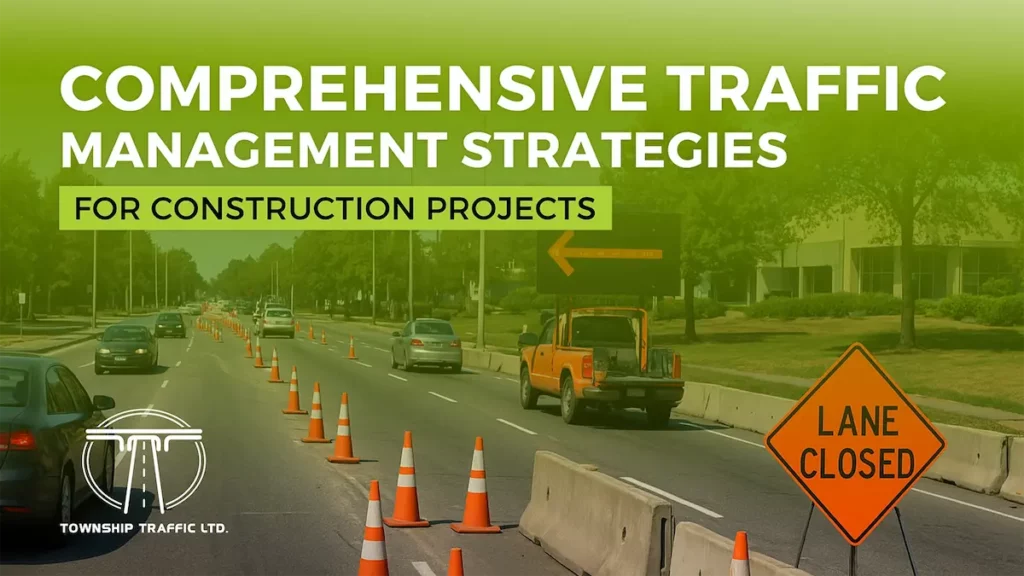
Have you ever wondered why traffic suddenly slows down near construction zones even when no workers seem to be in sight?
It’s a common experience. Whether it’s a simple pothole repair or a large commercial development, construction projects almost always cause some level of disruption. Traffic becomes slower, unexpected detours appear, and drivers often feel frustrated or confused.
But the truth is, these challenges don’t have to be overwhelming.
With the right traffic management strategies in place, construction teams can keep workers safe, ensure vehicles move smoothly, and make the entire experience much easier for the community. A well-planned traffic management system isn’t just something that meets government regulations; it’s a key part of running a safe, organized, and efficient project.
When traffic is managed properly, accidents are reduced, delays are minimized, and the public feels more informed and less stressed about what’s happening on the road.
In the article, we’ll break down the most effective strategies that help construction projects stay safe, efficient, and community-friendly, no matter how big or small the job is.
Why Effective Traffic Management Matters
Traffic management is much more than placing a few cones on the road; it plays a crucial role in keeping construction zones safe and organized. A well-structured plan helps protect both workers and drivers in areas where the risk of accidents is naturally higher.
By using clear signage, proper lane control, and well-planned detours, traffic management also helps reduce congestion and prevent unnecessary delays. When vehicles can move through or around the site smoothly, construction teams can focus on their work without constant disruptions.
Good traffic management also builds trust within the community. When people know what to expect, they feel less frustrated and are more likely to follow instructions. Overall, a thoughtful traffic plan creates a safer, more efficient environment and directly supports the success of the construction project.
Key Traffic Management Strategies for Construction Projects
1. Conducting a Detailed Site Assessment
Before any signs, barriers, or flaggers are placed, project teams need to understand:
- Traffic volume and speed
- Road layout and visibility
- Surrounding businesses, schools, or residential areas
- Peak travel times
- Potential risks or blind spots
This assessment forms the foundation of the traffic control plan and ensures decisions are based on real conditions—not assumptions.
2. Creating a Customized Traffic Control Plan (TCP)
Every construction project is different, so one-size-fits-all plans don’t work. A strong TCP includes:
- Lane closures or temporary diversions
- Pedestrian access pathways
- Signage placement
- Use of cones, barricades, and delineators
- Emergency access routes
- Scheduling work during off-peak hours (when possible)
A clear, well-documented TCP keeps all workers, inspectors, and the public on the same page.
3. Using Clear, Visible Signage
Signage is the first line of communication between construction crews and drivers.
Good signage should be:
- Highly visible
- Placed well ahead of the construction zone
- Simple to understand
- Consistent with national and local guidelines
Signs like “Road Work Ahead,” “Prepare to Stop,” or “Lane Ends” give drivers enough time to react safely.
4. Implementing Proper Lane Closures and Detours
Lane closures should be planned with precision to keep traffic moving as smoothly as possible. Depending on the project, this could include:
- Temporary lane narrowing
- Shifting lanes
- One-way alternating traffic
- Full detours around the site
Detours must be clearly marked and easy to follow. Unclear detours often cause congestion, missed turns, and driver frustration.
5. Relying on Professional Traffic Control Personnel
Flaggers and traffic control persons (TCPs) play a crucial role in maintaining safety in active work zones.
They help:
- Direct vehicles safely
- Communicate real-time changes
- Protect workers and pedestrians
- Handle unexpected traffic surges
Properly trained TCPs reduce risks and help keep the flow steady, especially in high-volume or complex areas.
6. Using Advanced Technology for Traffic Monitoring
Modern construction sites often use technology to enhance safety and efficiency, including:
- Portable traffic signals
- Real-time traffic monitoring systems
- Speed radar boards
- Camera surveillance
- GPS-enabled detour messaging
These tools help crews make quick adjustments based on changing conditions.
7. Maintaining Clear Communication with the Public
Keeping the public informed reduces frustration and builds trust. This can include:
- Social media updates
- Informational signage
- Radio alerts
- Text notifications
- Advance notice for businesses or residents
When people know what to expect, they’re more patient and supportive of the work being done.
8. Ensuring Strong On-Site Safety Practices
Safety measures should be visible and consistent:
- Proper PPE for workers
- Adequate lighting for nighttime work
- Reflective barriers and cones
- Safe pedestrian pathways
- Speed-controlled work zones
These prevent accidents and ensure compliance with local safety standards.
9. Monitoring and Adjusting the Plan as Needed
Traffic conditions can change quickly. Effective teams continuously evaluate:
- Congestion levels
- Driver behavior
- Incident reports
- Weather conditions
- Progress of the project
Being flexible and making timely adjustments helps maintain safety throughout the project’s duration.
Conclusion
Comprehensive traffic management is essential for keeping construction sites safe and efficient. With proper planning, clear signage, smart lane closures, and trained flagging personnel, construction teams can reduce risks and keep vehicles moving steadily around the work zone. Local experts like Township Traffic Ltd, a trusted traffic management service provider, specialize in implementing these strategies to prevent accidents, minimize delays, and ensure the protection of workers and drivers.
When traffic is managed well, construction projects can continue without causing major disruption to the community. Drivers know what to expect, pedestrians stay safe, and residents feel more informed and confident throughout the process. With professional support from Township Traffic Ltd, effective traffic management creates a smoother, safer experience for everyone on the road.


